

Exploring the frontiers of brain science and brain-inspired intelligence
Date: December 12-13, 2025
Venue: Chinese Institute for Brain Research, Beijing (Building 3, No. 9 Yike Road, Zhongguancun Life Science Park, Changping District, Beijing 102206, China)
Organizer
Nature Portfolio
Chinese Institute for Brain Research, Beijing
Introduction
The brain is our most complex organ, governing our thoughts, emotions, actions and behaviour. For many decades, scientists have delved into the mysteries of the brain, looking to unravel the microscopic structure of neurons and the macroscopic functions of entire networks of them. This research is not only helping us find new treatments for neurological diseases, but also driving innovation in brain-inspired intelligent technologies.
With rapid advances in modern imaging technologies and artificial intelligence, brain science is now entering a new era. This conference, co-organized by Chinese Institute for Brain Research, Beijing and Nature Portfolio, supported by Beijing Municipal Science and Technology Commission, Administrative Commission of Zhongguancun Science Park and Changping District People’s Government of Beijing Municipality, will bring together leading neuroscientists from across the world to share their latest findings, as well as invite outstanding young scientists to present their innovative research, fostering further collaboration in basic research, translational neuroscience, and brain-inspired technologies.
Conference Recording
You may click the button below to enter the conference recording.
View On-Demand

This session will focus on the latest advances in intelligent technologies based on brain research, covering the research and application of neural robotics, new high-performance language decoder models for brain-computer interface technologies, the application of brain-computer interfaces in healthcare, and future brain-inspired technologies.
This session will discuss research findings in unveiling the complex networks and signal transmission mechanisms between neurons, which are the neural basis of cognition. We will also explore the application of brain imaging tools and artificial intelligence technologies in understanding the neural mechanisms of cognitive processes.
Precision medicine holds great potential in diagnosis and treatments for neurological disorders, such as Alzheimer’s disease, stroke, and epilepsy. In this session, we will explore precision medicine approaches in neurology, such as the identification of biomarkers for diagnosis and prevention of disease, allowing for more tailored treatment approaches and the development of targeted therapies.
In this session, young neuroscientists from around the globe will share their latest research findings in brain science, providing a chance for institutions in Beijing to connect with them and offer job opportunities as they see fit.
Speakers (Alphabetical by last name)
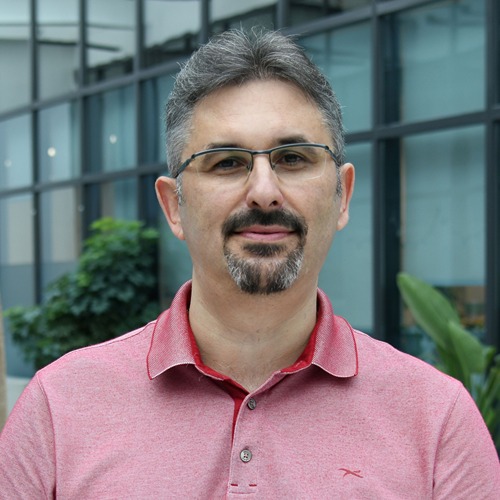
Goran Angelovski
Senior Investigator
International Center for Primate Brain Research (ICPBR), Center for Excellence in Brain Science and Intelligence Technology (CEBSIT), CAS
Goran Angelovski studied chemistry at the University of Belgrade. He holds a PhD in organic chemistry and a habilitation (venia legendi) from the Universities of Dortmund and Tübingen, respectively. His research on bioresponsive MRI probes commenced at the Max Planck Institute for Biological Cybernetics in Tübingen, where he worked in the department of Prof. Nikos K. Logothetis as a postdoctoral researcher, before establishing his own independent group. During this time, he also served as the lecturer at the Faculty of Science and the Faculty of Medicine of the University of Tübingen. From 2020, Dr. Angelovski heads the Laboratory of Molecular and Cellular Neuroimaging at the ICPBR, CEBSIT, CAS in Shanghai as the Senior Investigator. After establishing one of the largest libraries of potent bioresponsive MRI probes, the research of his Lab is primarily focused on the development of functional molecular imaging methods to study brain physiology with unprecedented specificity.
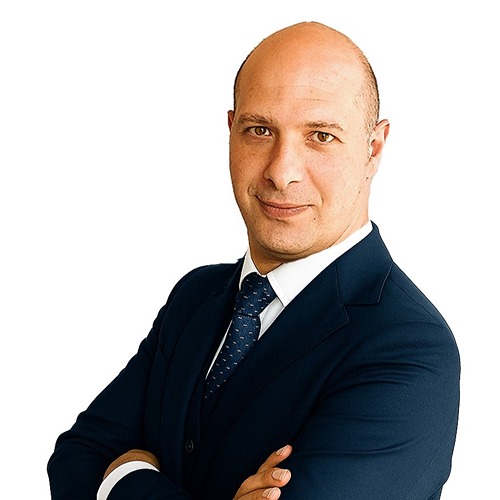
Carmelo Bellardita
Associate professor
Neuroscience Department, University of Copenhagen
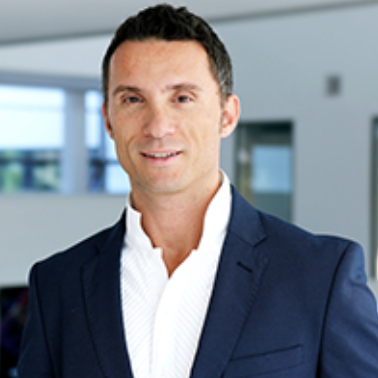
Carlo Vittorio Cannistraci
Chair Professor
Tsinghua Laboratory of Brain and Intelligence (THBI)
Carlo Vittorio Cannistraci is a theoretical engineer and computational innovator. He is a Chair Professor in the Tsinghua Laboratory of Brain and Intelligence (THBI) and a member of the Department of Psychological and Cognitive Sciences, the Department of Computer Science and Technology, and the School of Biomedical Engineering at Tsinghua University. He directs the Center for Complex Network Intelligence (CCNI) in THBI, which pioneers algorithms at the interface between information science, physics of complex systems, complex networks and machine intelligence, with a focus in brain/life-inspired computing for efficient artificial intelligence and big data analysis. These computational methods are often applied to precision biomedicine, neuroscience, social and economic science.
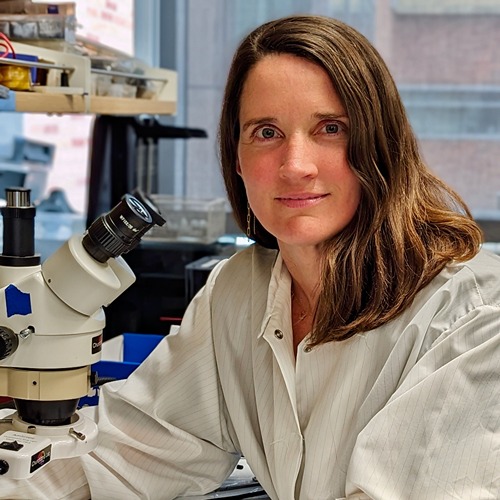
Anne Churchland
Professor
University of California, Los Angeles (UCLA)
Anne Churchland is a professor of neurobiology in the David Geffen School of Medicine at the University of California, Los Angeles (UCLA). She received her B.A. in mathematics and psychology from Wellesley College and her Ph.D. in neuroscience from the University of California, San Francisco in 2003. She completed her postdoctoral training at the University of Washington from 2004 to 2010 and was a principal investigator in neuroscience at Cold Spring Harbor Laboratory from 2010. She joined the UCLA faculty in May 2020.
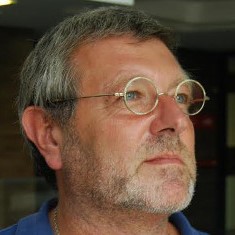
Gustavo Deco
Research Professor
Institució Catalana de Recerca i Estudis Avançats (ICREA)
Gustavo Deco is Research Professor at the Institució Catalana de Recerca i Estudis Avançats (ICREA) and Professor (Catedrático) at the Pompeu Fabra University (UPF) where he leads the Computational Neuroscience group. He was also Director of the Center of Brain and Cognition from 2001 to 2021 (UPF). In 1987 he received his PhD in Physics for his thesis on Relativistic Atomic Collisions. In 1987, he was a postdoc at the University of Bordeaux in France. From 1988 to 1990, he obtained a postdoc of the Alexander von Humboldt Foundation at the University of Giessen in Germany. From 1990 to 2003, he leads the Computational Neuroscience Group at Siemens Corporate Research Center in Munich, Germany. He obtained in 1997 his Habilitation (maximal academical degree in Germany) in Computer Science (Dr. rer. nat. habil.) at the Technical University of Munich for his thesis on Neural Learning. In 2001, he received his PhD in Psychology at the Ludwig-Maximilians-University of Munich. In 2012, he received an ERC Advanced Grant and recently in 2022 he received an ERC Synergy Grant.
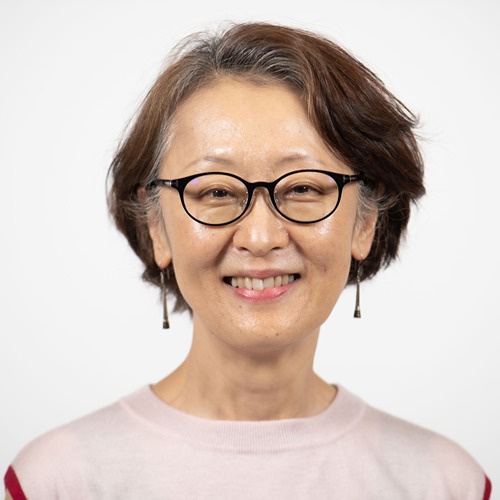
Yukiko Goda
Professor
Okinawa Institute of Science and Technology Graduate University
Yukiko Goda is a professor at Okinawa Institute of Science and Technology Graduate University. She received her BSc from the University of Toronto and PhD from Stanford University. After a postdoc at the Salk Institute, she joined the faculty of Biology Division, UC San Diego in 1997. She then moved to the UK in 2002 as a Senior Group Leader in the MRC Laboratory for Molecular Cell Biology at UCL, and from 2011 to 2022, she was a team leader at RIKEN BSI/CBS prior to taking up her current position. Yukiko Goda’s research focuses on synapses and astrocytes. Her laboratory investigates the cellular principles by which synaptic strengths are set and dynamically modified in defined neural circuits that are consequential to supporting particular behaviors.
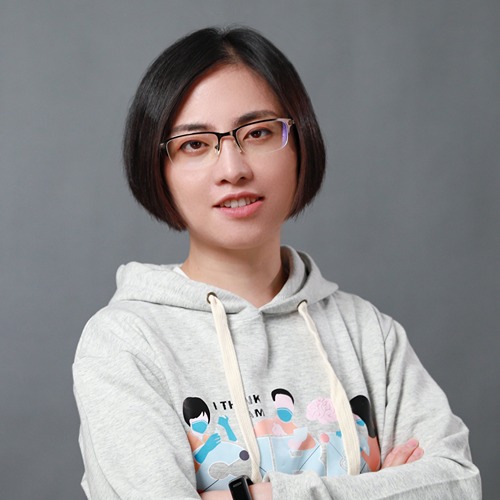
Rong Gong
Investigator
Chinese Institute for Brain Research, Beijing (CIBR)
Dr. Rong Gong earned her Ph.D. from the National Institute of Biological Sciences and completed her postdoctoral training at Janelia Research Campus, HHMI. She is currently an investigator at Beijing Normal University and the Chinese Institute for Brain Research. Her research investigates the neural mechanisms underlying consumption behavior, with a focus on how the brain learns and remembers bodily (interoceptive) signals during feeding. Combining cutting-edge, multidisciplinary approaches—including deep-brain functional imaging, RNAseq-based multiFISH, CaRMA, quantitative behavioral assays, and closed-loop optogenetics—her lab aims to uncover the neural circuits that support adaptive feeding and drinking behaviors. By causally linking molecular, cellular, and circuit-level dynamics to behavior, her work seeks to illuminate the biological basis of metabolic and eating disorders.
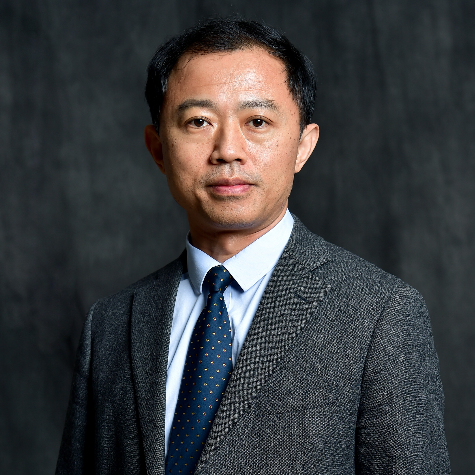
Bo Hong
Professor
School of Biomedical Engineering, Tsinghua University
Dr. Bo Hong is a tenured professor at the School of Biomedical Engineering of Tsinghua University and a principal investigator at the McGovern Institute for Brain Research at Tsinghua University. His main research interests are brain computer interface and human brain network dynamics. He has led his team in developing the minimally invasive wireless brain-computer interface NEO, which completed the world's first clinical trial on a tetraplegia patient in 2023. To date, large-scale clinical trials have been conducted in 32 cases. His research have been published in Nature Neuroscience, PNAS, and Nature Communications, etc. He has also served as an associate editor for journals including IEEE Transactions on Biomedical Engineering and Journal of Neural Engineering. Additionally, he co-founded two high-tech companies: Neuracle (BCI technology) and Lingxi-Cloud (AI-driven modeling for brain diseases).
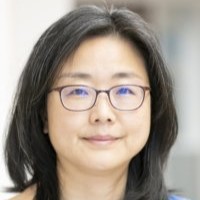
Eun Jung Hwang
Assistant Professor
Rosalind Franklin University of Medicine and Science
Eun Jung Hwang, Ph.D., explores how brain circuits shape behavior and how their function can be restored in aging and disease. Trained in engineering and neuroscience, she integrates systems-level approaches with neurophysiology to uncover mechanisms of cognitive decline and develop circuit-based interventions for age-related neurological conditions.
Dr. Hwang earned her B.S. and M.S. in Electrical Engineering from Seoul National University, her Ph.D. in Biomedical Engineering from Johns Hopkins University, and completed postdoctoral training at Caltech and UC San Diego. Her career reflects the influence of generous mentors, interdisciplinary training, and a commitment to turning curiosity into impactful science.
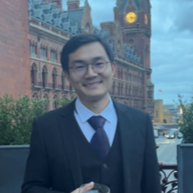
Zilong Ji
Research Fellow
Institute of Cognitive Neuroscience, University College London
I am a neuroscientist with an interdisciplinary background in computational and experimental neuroscience, mathematics, and machine learning. My research focuses on elucidating the neural mechanisms underlying spatial navigation and episodic memory by integrating computational modelling, large-scale behavioural and neural data analysis, and experimental neuroscience, including two-photon imaging of the rodent brain. I also aim to advance our understanding of complex cognition in the human mind and contribute to the development of advanced brain-inspired AI models.
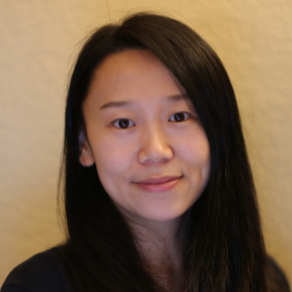
Xiaoxuan Jia
Associate Professor
Tsinghua University
Dr. Xiaoxuan Jia is an Associate Professor at the School of Life Sciences at Tsinghua University and a Principal Investigator at the IDG/McGovern Institute for Brain Research. She received her B.S. in biotechnology and biological sciences from Tsinghua University and her Ph.D. in neuroscience from Albert Einstein College of Medicine, New York, in 2012. After postdoctoral training with Dr. James J. DiCarlo at MIT, she joined the Allen Institute as a senior scientist and project leader, where she worked from 2016 to 2022. She joined Tsinghua University in May 2022 as an associate professor. Her research focuses on understanding how visual information is efficiently compressed, represented, and dynamically routed in hierarchical and recurrent networks through a multidisciplinary approach that combines large-scale electrophysiology, machine learning, and theoretical modeling.
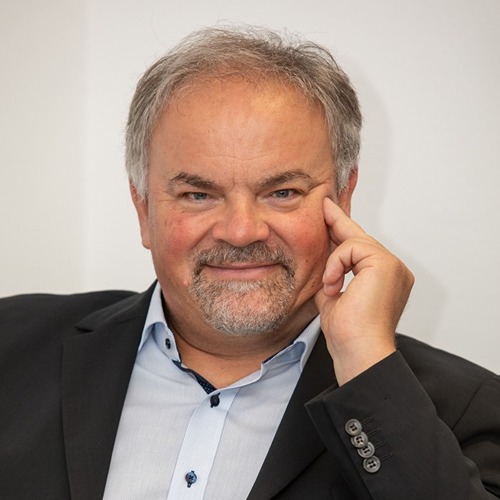
Juergen Knoblich
Deputy Scientific Director
Institute of Molecular Biotechnology of the Austrian Academy of Sciences (IMBA)
Juergen Knoblich is deputy scientific director at the Institute of Molecular Biotechnology of the Austrian Academy of Sciences (IMBA) in Vienna. His research focuses on the development of the human brain and the study of neurodevelopmental disorders. Knoblich's group has established a 3D culture system that recapitulates the early steps of human brain development in cell culture allowing brain pathologies and human specific developmental events to be studied in unprecedented detail. They have used this system for modelling various neurodevelopmental disorders and genetic screening in human brain tissue.
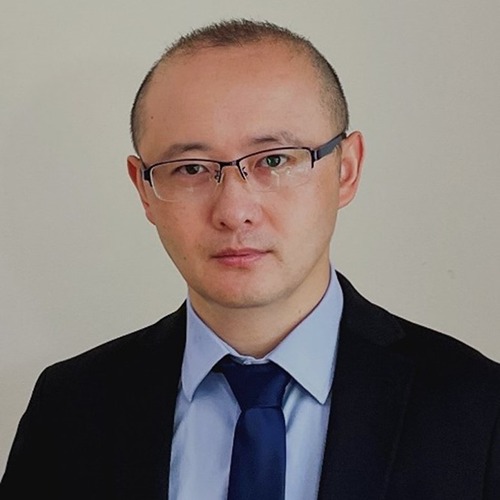
Changliang Liu
Assistant Professor
School of Life Sciences, Westlake University
Dr. Changliang Liu received his BS from China Pharmaceutical University, Ph.D. from the Chinese Academy of Sciences, followed by postdoctoral training at Harvard Medical School. His research has uncovered novel mechanisms of dopamine release (Cell, 2018), redefined the spatiotemporal principles of dopamine signaling (Science 2022), and advanced the understanding of dopamine dynamics in movement and learning (Nature 2024). He currently serves as an assistant professor at Westlake University, where his lab focuses on the biophysics of neurotransmission, striatal computation, motor control, and next-generation drug discovery.
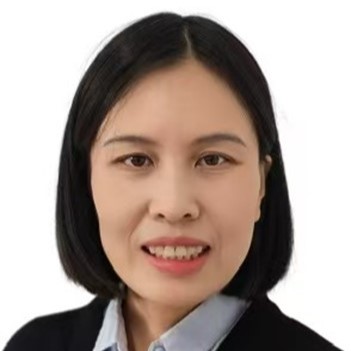
Zhihui Liu
Investigator
Institute of Biophysics, CAS
Dr. Liu obtained her Ph.D. in neuropharmacology and ion channel pharmacology from the Chinese Academy of Medical Sciences & Peking Union Medical College. She then completed her postdoctoral training at the Institute of Biophysics and Stanford University. Her research focuses on the mechanisms of social learning and long-term memory, with her work published in Nature (2), Neuron, and eLife. In September 2024, she joined the Institute of Biophysics, CAS, as an independent investigator and started her own laboratory. Her lab will continue exploring the mechanisms of learning and memory, with an emphasis on social learning.
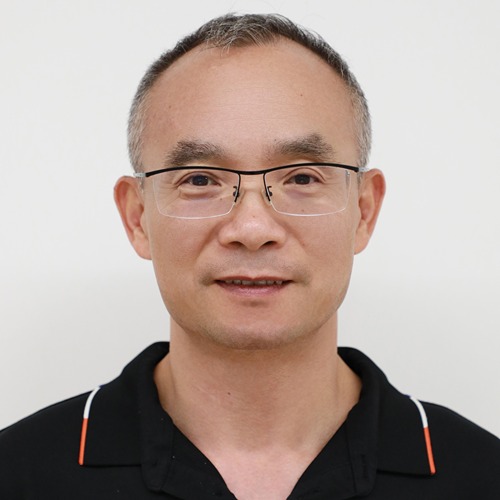
Minmin Luo
Director
Chinese Institute for Brain Research, Beijing (CIBR)
Dr. Minmin Luo is the Director of the Chinese Institute for Brain Research, Beijing, and a New Cornerstone Investigator. He earned a BS in Psychology from Peking University (1995), followed by an MS in Computer Science and a PhD in Neuroscience from the University of Pennsylvania (1997, 2000). After completing postdoctoral training at the Howard Hughes Medical Institute/Duke University, he returned to China in 2004, where he previously served as an Investigator at the National Institute of Biological Sciences, Beijing, and a Professor at Tsinghua University.
Dr. Luo’s research focuses on the neural circuits that govern reward-related behaviors and how their dysfunction contributes to mental disorders. His lab employs multidisciplinary approaches—including electrophysiology, optogenetics, and behavioral analysis in transgenic mice—to dissect the brain’s reward and punishment systems. A key contribution from his group was the discovery that serotonin neurons in the dorsal raphe encode beneficialness signals, forming a reward modulatory system parallel to the midbrain dopamine system. In addition to basic science, his work aims to develop novel neuroscience methods and potential therapeutic strategies for conditions such as depression and chronic pain.
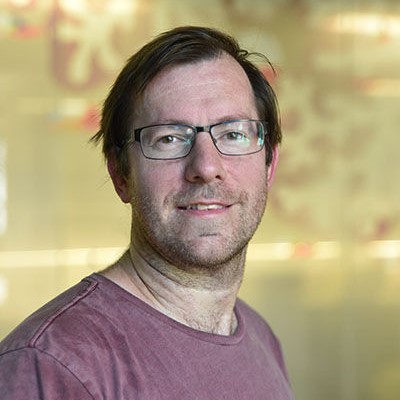
Roger Marek
Research Fellow
University of Queensland (AU)
Using optogenetic techniques, Roger has pioneered work that reshapes our understanding of the prefrontal-amygdala circuit, revealing how these connections influence emotional memories. He identified synaptic interactions between the medial prefrontal cortex subregions and demonstrated their role in regulating extinction learning through sophisticated ex vivo and in vivo optogenetic stimulation.
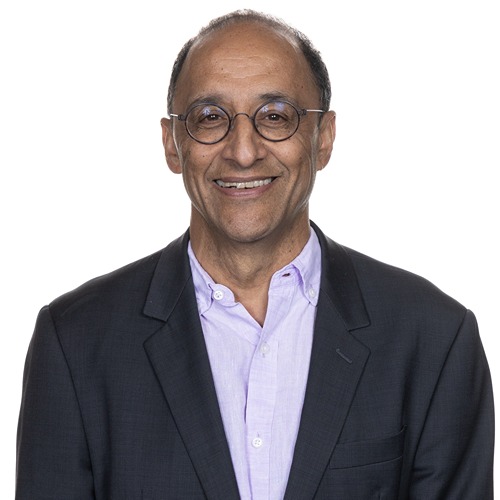
Pankaj Sah
Professor
Queensland Brain Institute, The University of Queensland
Pankaj Sah trained in medicine he did his PhD at the Australian National University. Following postdoctoral studies at the University of California, San Francisco and the University of QLD, he established his own laboratory at the Dept of Physiology at the University of Newcastle in 1994. He then moved as group leader to the John Curtin School of Medical Research at the Australian National University and was recruited as a founding member of the Queensland Brain Institute in 2003. He was director of the institute from 2015 to 2025. His interests are in understanding the mechanisms that underlie learning and memory formation in the mammalian brain. His laboratory is known for studying study the amygdala. His lab is also interested in understanding the biological mechanisms that may underpin Parkinsons Disease and its treatment. He is Editor in chief of the partner journal npj Science of Learning.
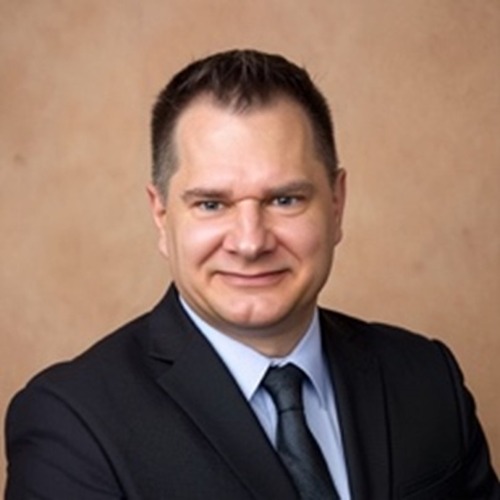
Gerwin Schalk
Professor and Co-Director
West China Hospital of Sichuan University
Dr. Schalk obtained his M.S. in Electrical Engineering and Computer Science from Graz University of Technology in Austria, his M.S. in Information Technology from Rensselaer Polytechnic Institute (RPI) in Troy, New York/USA, and his Ph.D. in Computer and Systems Engineering from RPI.
He is interested in integrating scientific, engineering, and clinical concepts to advance our understanding of the brain and to use this new understanding to develop novel neurotechnologies. He has made contributions to basic understanding of human intracranial neurophysiology, translational brain-computer interface research, has led the development of the leading BCI software world-wide (BCI2000) for 20 years, and he produced a new brain mapping technique and a stroke rehabilitation technique that are now beginning to improve the lives of people world-wide.
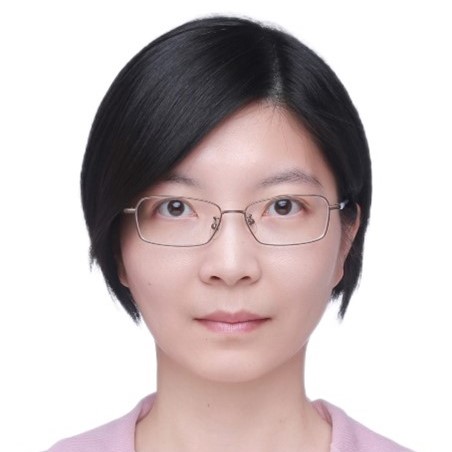
Wei Shi
Investigator
Chinese Institute for Brain Research, Beijing (CIBR)
Dr. Shi obtained Ph.D. degree in neuroscience from Weill Cornell Medicine in New York. She then completed her postdoc training in cancer immunology at the Memorial Sloan Kettering Cancer Center. Her group at Chinese Institute for Brain Research (CIBR) is focused on elucidating the cellular and molecular mechanisms regulating brain cancer growth, and investigating the neuroimmune crosstalk in cancer and neuroinflammation.

Bernd Wollscheid
Professor
ETH Zürich
Bernd Wollscheid, Ph.D., is the founder of DISCO Pharmaceuticals. He is a Professor of Molecular Health and Head of the Institute of Translational Medicine at the Department of Health Sciences and Technology at ETH Zürich, Switzerland. As the chairman of the EC of the ETH domain Strategic Focus Area, “Personalized Health and Related Technology (PHRT),” he aims to bridge the gap between scientific discoveries and their practical applications in healthcare. Bernd’s research team pioneers the development and application of next-generation technologies at the intersection of biology, chemistry, medicine, and bioinformatics. This research contributes to understanding how molecular nanoscale organization influences cellular function and opens up new opportunities for theranostics.
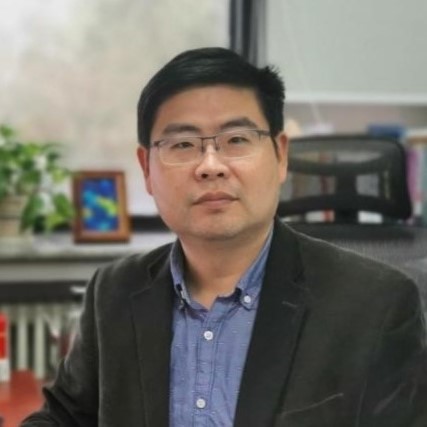
Wei Xiong
Investigator
Chinese Institute for Brain Research, Beijing (CIBR)
Dr. Xiong is currently an Assistant Investigator at the Chinese Institute for Brain Research, Beijing (CIBR). His laboratory focuses on three primary research areas: (1) identifying novel deafness genes and elucidating their underlying mechanisms; (2) uncovering the molecular and neural mechanisms of auditory communication; and (3) developing therapeutic strategies for hearing impairment associated with genetic mutations, noise exposure, and aging.
Dr. Xiong received his Ph.D. in 2006 from the Institute of Neuroscience, Chinese Academy of Sciences, and completed postdoctoral training at the Scripps Research Institute in 2015. He established his laboratory at Tsinghua University in 2015 and later moved to CIBR in 2022. Dr. Xiong is actively involved in several professional societies. He is a council member of the Chinese Biophysics Society and the Beijing Society for Neuroscience. In addition, he is a vice president and co-founder of the Hearing-Language-Communication Subsociety of the Chinese Biophysics Society. He also currently serves as president of the Auditory Neuroscience Subsociety within the Beijing Society for Neuroscience.
Hu Zhao
Senior Investigator
Chinese Institute for Brain Research, Beijing (CIBR)
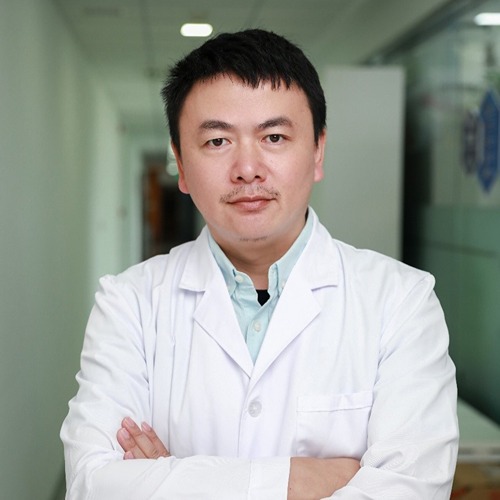
Dr. Hu Zhao is a clinician-scientist with a dual focus on clinical dentistry and basic biomedical research. He earned his dental degrees from West China College of Dentistry, Sichuan University (2001), and UCLA School of Dentistry (2011). In 2016, he established his research group as an Assistant Professor at Texas A&M University College of Dentistry, while maintaining an active dental practice in Dallas. He was promoted to tenure in 2021 and subsequently joined the Chinese Institute for Brain Research, Beijing (CIBR), as an Associate Investigator.
Jialin Zheng
Dean
Tongji University School of Medicine
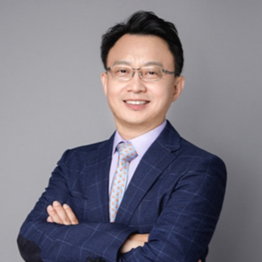
Jialin Charles Zheng, M.D.: A Visionary Leader in Academic Medicine
Jialin Charles Zheng, M.D., is an internationally acclaimed medical scientist and visionary leader whose transformative impact has elevated Tongji University School of Medicine (TUSM) into a world-class academic health sciences center. As the Dean, Distinguished Professor of Neurology and Regenerative Medicine, and Director of the Brain and Spinal Cord Clinical Research Center at TUSM, he has championed a culture of excellence and collaboration.
Distinguished Academic and Research Career
Dr. Zheng's distinguished 24-year tenure at the University of Nebraska Medical Center (UNMC) in the USA, where he served as a Professor, Associate Vice Chancellor for Academic Affairs, and Associate Dean for Graduate Studies, laid a robust foundation for his international perspective. His scholarly credentials include an M.B. from Xuzhou Medical University and a Ph.D. in Neurology from Shanghai Jiao Tong University School of Medicine, complemented by postdoctoral training at UNMC and a visiting scholarship at the State University of New York at Buffalo.
His preeminence in the field is recognized through his memberships in Academia Europaea and the European Academy of Science and Arts.
Prolific Research and Scientific Contributions
A leading expert in neuroinflammation and stem cell therapy for neurodegenerative diseases such as Alzheimer's and HIV-1 associated dementia, Dr. Zheng has led numerous NIH-funded and international research projects. His prolific scientific contributions include authorship of over 260 peer-reviewed manuscripts and book chapters, and he has been honored with prestigious awards including the UNMC Gilmore Outstanding Young Investigator Award (2005) and the UNMC Outstanding Investigator Award (2008).
Transformative Leadership at Tongji University School of Medicine
Under Dr. Zheng's leadership, TUSM has achieved unprecedented growth and recognition. His key accomplishments include:
- Strategic Expansion: Orchestrating the relocation of TUSM to a dedicated, 66-acre medical campus and integrating top-tier affiliated hospitals in Ophthalmology, Dermatology, Pulmonary, Obstetrics and Gynecology and Rehabilitation,.
- Educational Excellence: Establishing the nation's leading rehabilitation education program, a Sino-German joint medical class and securing TUSM's position on the Minister of Education's 2022 list of 18 high-quality medical institutions.
- Resource Mobilization: Securing substantial private donations exceeding 350 million Chinese Yuan to advance medical education and research.
- Innovation in Medicine: Pioneering the development of an AI medical research institute to position TUSM at the forefront of healthcare innovation.
National and International Influence
Dr. Zheng's expertise extends to significant national roles, including serving as an invited expert for the National Natural Science Foundation of China (NSFC), a member of the Ministry of Education's (MOE) Education and Instruction Committee, a Certified Expert of Clinical Medicine, co-chair and an executive committee member of international brain initiative, and a member of Alliance of Academic Health Centers International (AAHCI) and Association of American Medical Colleges (AAMC) Global Workforce Advisory Panel. A dedicated bridge-builder, he has actively fostered strategic international partnerships between Chinese institutions and leading universities in the United States and Europe, further globalizing medical education and research.